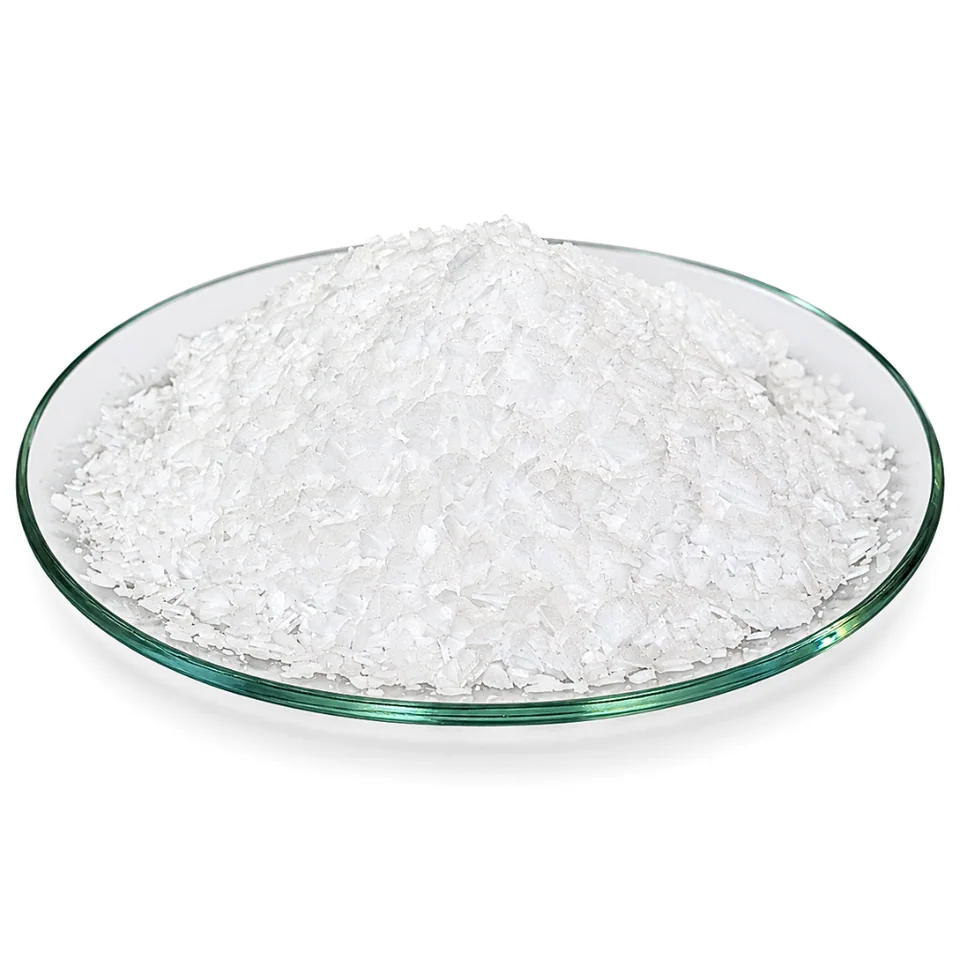
Waxes & oils
Cetyl Palmitate (Palmityl Palmitate)
Cetyl Palmitate (Palmityl Palmitate) – CAS Number 540-10-3 is a cosmetic ingredient, functioning as thickener, emollient, and wax ester in personal care formulations such as lipsticks, sunscreens, hair care, moisturizers, ointments, thick creams and solid deodorants.
- Article code
- CETPALM
- CAS
- 540-10-3
- Category
- Waxes & oils
Specification and availability are confirmed by Chemical Suppliers when you inquire. Product details are attached to your request automatically.
Properties
- Article / SKU
- CETPALM
- Product Name
- Cetyl Palmitate
- SKU
- CETPALM
- CAS Number
- 540-10-3
- IUPAC Name
- Hexadecyl hexadecanoate
- CAS Name
- Hexadecanoic acid, hexadecyl ester
- Molecular Formula
- C32H64O2
- Structural Formula
- CH3(CH2)14COO(CH2)15CH3
- Molecular Weight
- 480.85 g/mol
- Chemical Classification
- Long-chain fatty acid wax ester
- Appearance
- White to off-white solid granules or flakes
- Melting Point
- 55-56°C (reported typical value)
- Solubility
- Oil soluble; practically insoluble in water
- Typical Usage Range
- 1-10%, depending on formulation
- Primary Functions
- Emollient, thickening agent, structuring wax, and consistency modifier
Packaging options
- 1 Lb
- 10 Lbs
Details
Cetyl Palmitate, also known as Palmityl Palmitate, is an oil-soluble wax ester used as an emollient, thickening agent, and structuring ingredient in cosmetic and personal care formulations. It contributes firmness, body, and smooth application characteristics to solid and semi-solid products, including lip balms, lipsticks, moisturizers, sunscreens, hair care products, ointments, body butters, and solid deodorants.
Chemically, cetyl palmitate is formed by the esterification of cetyl alcohol with palmitic acid. Its wax-like consistency helps formulations maintain their shape while providing a smooth, cushioned glide during application. It is compatible with oil phases and anhydrous formulations and may be combined with fatty alcohols, oils, and other waxes to adjust hardness, melting characteristics, texture, and consistency.
Lip Balms and Lipsticks: Contributes firmness and shape retention while improving glide and reducing drag during application.
Balms, Salves, and Ointments: Provides body and consistency to semi-solid formulations while supporting smooth spreading and skin conditioning.
Thick Creams and Body Butters: Increases richness and viscosity and contributes to the consistency of higher-viscosity emulsions.
Solid Deodorants: Helps maintain firmness and structural integrity while allowing smooth application to the skin.
Moisturizers and Sunscreens: Functions as an emollient and consistency modifier in suitable cosmetic formulations.
Hair Care Products: May be incorporated into conditioning and styling formulations to modify texture and consistency.
Anhydrous Formulations: Provides structure and texture in water-free products such as solid balms and specialty wax-based systems.
Wax and Fatty Alcohol Blends: Can be combined with complementary ingredients to adjust hardness, melting behavior, glide, and sensory characteristics.
Cetyl Ester Blends: Serves as a component of certain wax ester blends, contributing structure, consistency, and a smooth waxy texture.
Personal Care Manufacturing: Production of cosmetic, skin care, and body care products.
Cosmetic Research and Development: Evaluation and adjustment of firmness, viscosity, texture, and application properties.
Contract Manufacturing: Development and production of standardized cosmetic and personal care formulations.
Pharmaceutical Topical Formulation: Potential use as a structuring excipient in compatible ointment and topical systems, subject to applicable grade and qualification requirements.
Specialty Formulation: Development of customized wax-based, anhydrous, and semi-solid products.
For formulation and manufacturing use. Product characteristics and suggested applications are provided for general technical reference and do not constitute a guarantee of suitability for any specific application. Typical melting point, usage ranges, compatibility, and performance should be verified through appropriate testing before commercial use. Suitability for cosmetic, pharmaceutical, or other regulated applications depends on product grade, applicable specifications, and regulatory requirements. Consult the current Safety Data Sheet (SDS) before handling.